
Lattice | Senior Project
A civic platform for city governments to coordinate services, track documentation, and rebuild trust with residents.
To address the growing disconnect between residents and local government, I developed Lattice as part of my senior capstone, a 10-week independent service design project grounded in conversations with municipal staff. The project explored how cities could better coordinate services, streamline documentation, and make internal processes more visible to the public.
I led the full design effort, from interviews and systems mapping to prototyping and interface development, translating real workflows into a platform that supports clarity, continuity, and trust in public service.
The Challenge
Across nearly 20,000 municipalities in the U.S., local governments rely on disconnected, outdated digital systems to run critical public services—resulting in delays, rework, and growing frustration among both staff and residents.
From permitting to pothole repair, city employees juggle multiple systems that don’t speak to each other, copying data by hand, emailing forms, and calling other departments just to check a status. Residents, meanwhile, are left wondering whether their request was ever received. These inefficiencies add up, eroding trust and wasting time in departments already stretched thin.
The Solution
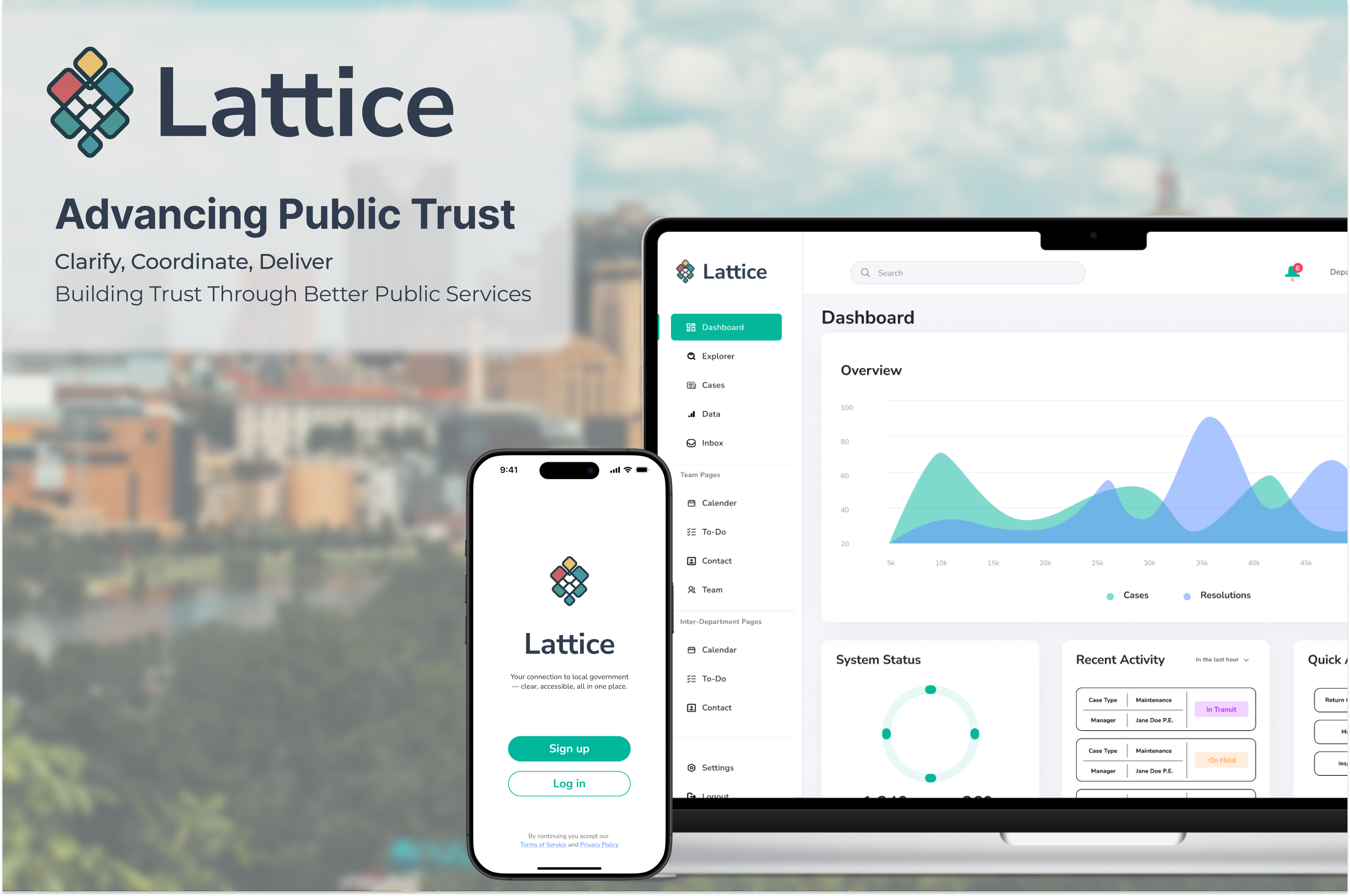
Lattice helps city governments streamline internal workflows and make public services easier to track—without replacing the systems they already use.
The platform includes three views:
- Enhanced communication
Co-creation workshops and targeted outreach to surface needs and build community trust. - Federated Information Exchange
A connected backend that uses AI to process and structure fragmented data—improving coordination without replacing existing tools. - Reimagined Front End
A unified platform that helps residents, staff, and leadership access information and act with clarity.
At the core is Felix, a backend engine that standardizes messy civic records into structured, usable data—making legacy tools more connected and reducing the need for manual cleanup.
The Process
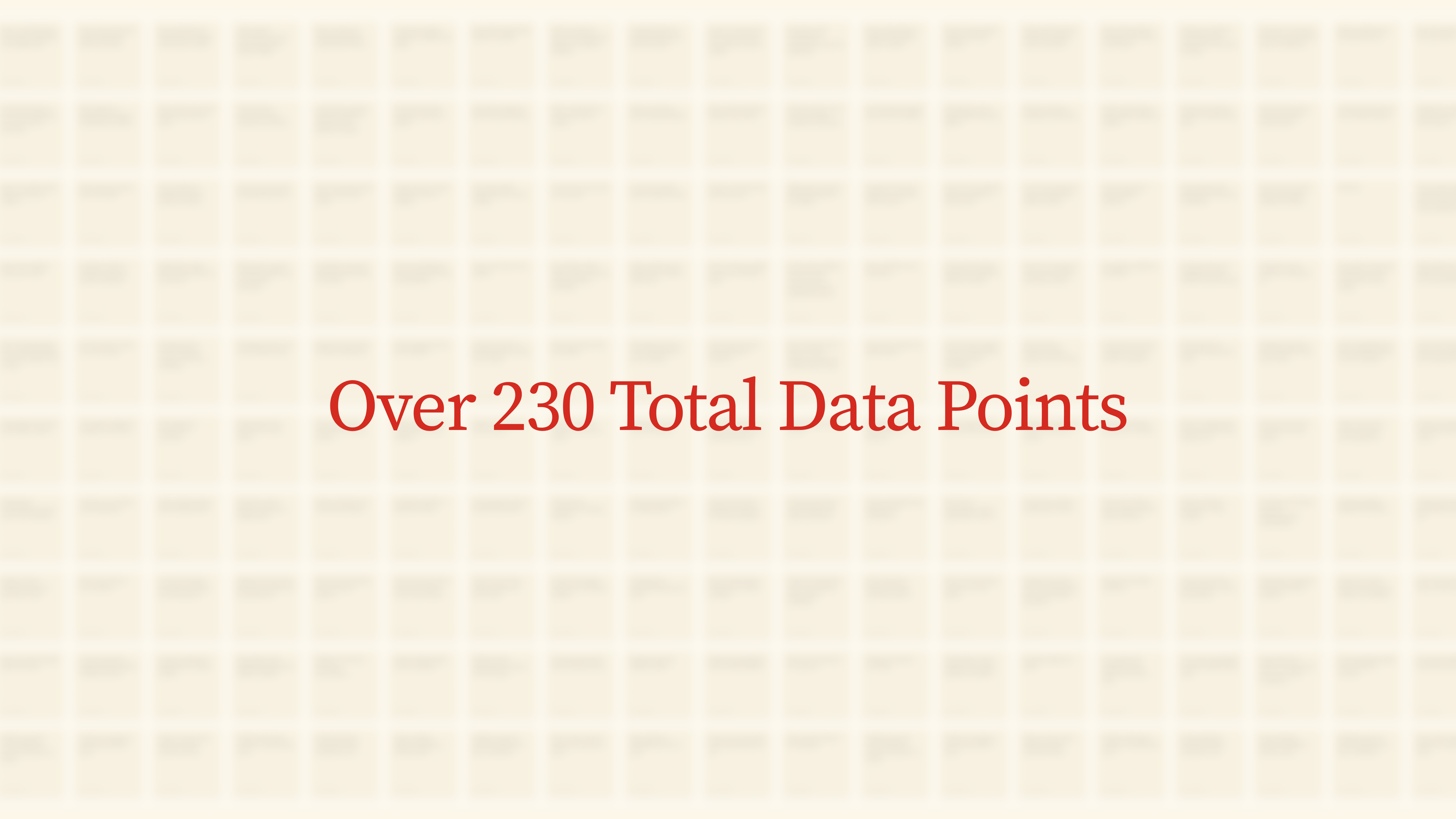
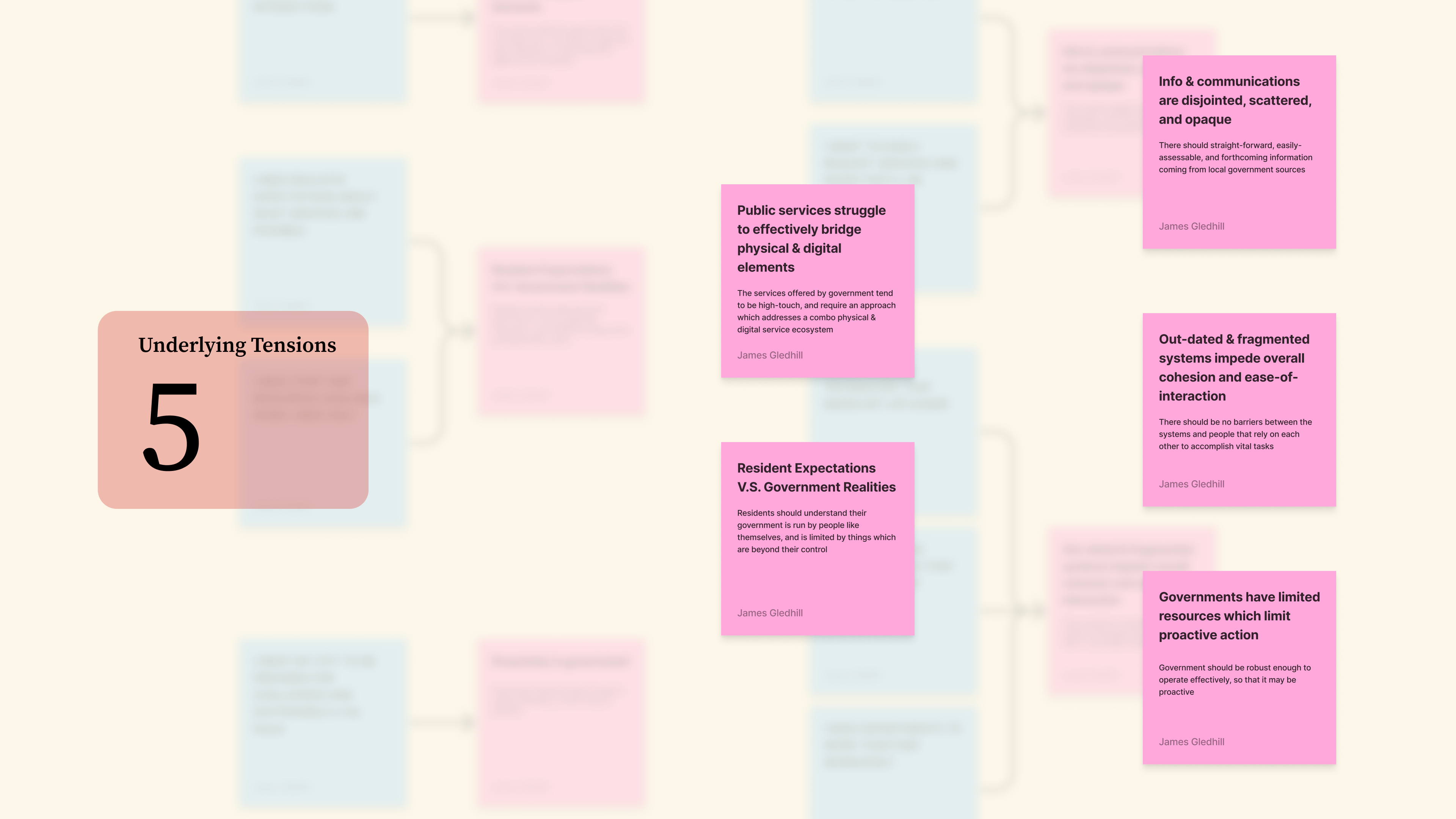
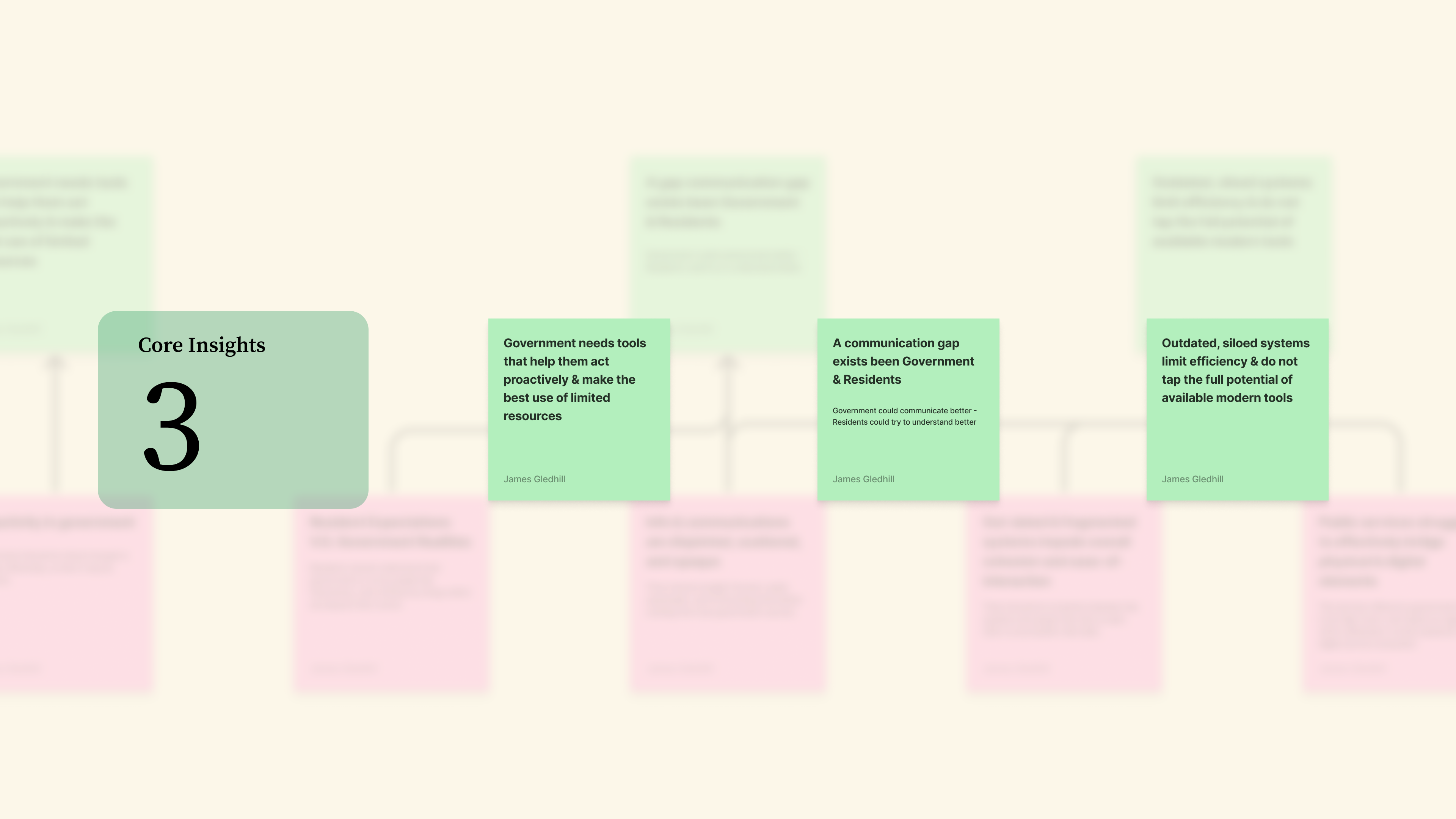
Affinitization
Turning fragmented observations into clear, actionable themes

Discovery & Framing
Interviews with mayors, city managers, and frontline staff revealed a pattern: digital tools weren’t failing because of intent—they were failing because of fragmentation.
The work was shaped early on by conversations with government employees at every level—from mayors and managers to frontline staff. Each brought a different perspective on where coordination falters and why, highlighting constraints like outdated systems, limited budgets, and the constant balancing act between transparency and compliance.
To make sense of the layered inputs, I used AI tools to help map relationships across departments, processes, and public touchpoints—surfacing hidden friction and opportunities for alignment. From there, I applied systems design thinking to architect a modular solution: one that could work across tools, teams, and timelines without
forcingmajor change.
Ecosystem Mapping
An interactive ecosystem map built with GenSpark AI to show how departments connect—designed to convey complexity without causing cognitive overload during stakeholder discussions.
Prototyping
To bring the system to life, I created two complementary prototypes: one to explore front-end interactions, the other to demonstrate backend logic.
Front-end Prototyping
In Figma, I designed the employee-facing desktop interface and resident mobile app. The staff view focused on clarity and handoff visibility—making it easier to track requests, share documentation, and coordinate across departments. The resident interface emphasized transparency, offering real-time status updates and plain-language messaging that builds trust.

Back-end Prototyping
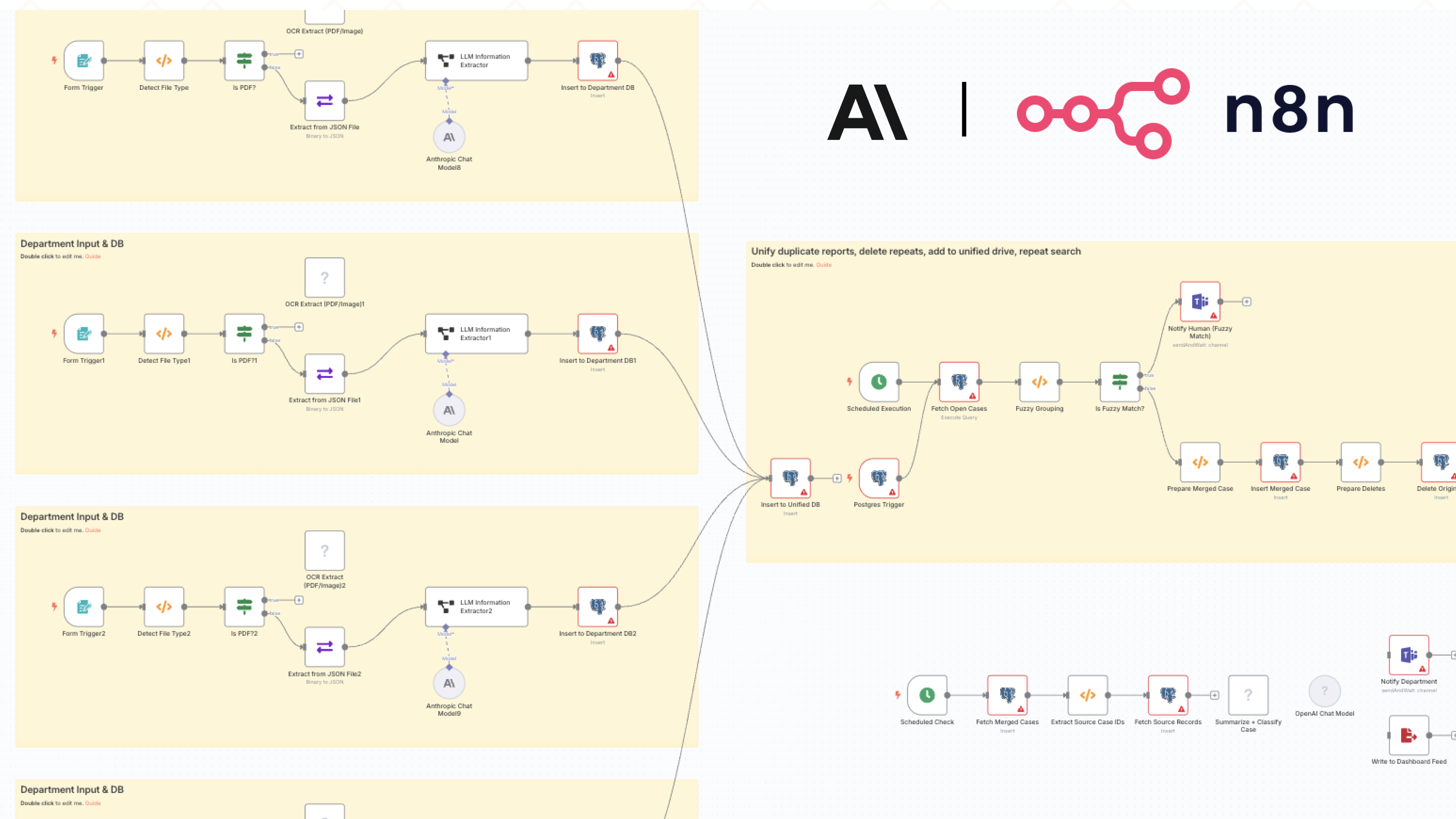
To model the backend, I used n8n, a workflow automation tool. This prototype simulated how data could move between systems, using custom Claude agents connected via API. It showed how structured records could be created, updated, and routed between teams—without the need to replace existing software.
The Outcome
Presentation & Delivery
I shared the Lattice prototype and AI-powered infrastructure strategy with a hybrid audience during SCAD’s senior grad show.
Presented as a live pitch with a supporting slide deck, the project was shared in-person with professors, faculty, families, and virtually with industry guests. The AI framework and n8n prototype sparked deeper conversations afterward with my professor, especially around system-level thinking and long-term integration.
While the project began with an overwhelming scope—trying to “fix” government trust—I refined the direction with guidance from public officials, faculty, and SCAD AMP mentors. The result was a solution grounded in real workflows, leveraging existing systems, and offering immediate value to internal stakeholders without demanding radical change.
Reflection
This project taught me how to balance vision with practicality—focusing on what can be built now, without losing sight of where it could go.
While the original scope started broad, I learned to narrow in on actionable opportunities that addressed immediate pain points, using the larger goal as a guide—not a weight. That shift in mindset made the work more focused, and ultimately, more useful to the people it was designed for.
I also grew significantly as an independent designer. This was my first solo service design project, and I’m proud of the fidelity and complexity I was able to achieve. With more time, I would have expanded the research to include voices from 311 operators and civic tech developers—and pushed further into prototyping the data layer powering Lattice’s AI infrastructure.
